

The landscape of digital gaming has shifted dramatically with the soaring popularity of casino poker style games, holding a distinct hybrid space between pure chance and expertise. These offerings, which encompass Caribbean Stud, Three Card Poker, Casino Hold’em, and video poker variants, attract a demographic that craves influence in their wagering decisions. Unlike playing a roulette wheel, players in poker style games face real strategic choices that directly affect their long-term outcomes. PiperSpin Casino has meticulously curated a collection that celebrates this hybrid mechanic, presenting tables that recognize mathematical exactness without necessitating the overwhelming psychological warfare of a live cash game. The effect is an user-friendly yet intellectually stimulating vertical that keeps to seize the interest of Spanish players looking for more than passive button pressing.
The Solitude Paradox
Casino poker style games eliminate the draining performative aspects of live poker while inadvertently creating a different kind of solitude. In a crowded card room, players must constantly read physical tells, keep up a stoic table image, and manage complex interpersonal dynamics that cause mental fatigue over marathon sessions. The digital casino variant removes these anthropological layers, condensing the transaction to a sterile duel against a dealer algorithm. However, this efficiency carries a cultural cost. Many Spanish players who moved from social home games to digital platforms report a hollow sensation after prolonged solo sessions. The banter, the shared groans at a bad beat, and the communal respect for an elegantly executed bluff vanish inside the mathematical vacuum. The game turns into a puzzle rather than a battle of wills.
Bankroll Management and Swing Endurance
Even perfectly played casino poker sessions subject a bankroll to intense variance swings that necessitate psychological resilience and statistical readiness. A full-pay video poker enthusiast executing flawless strategy will still experience demoralizing downswings where four-to-a-royal draws brick relentlessly across thousands of hands, trying the player’s faith in probability theory. Sound bankroll management requires holding reserve units that can handle a three-standard-deviation negative swing without provoking panic withdrawals or chasing behaviors. Spanish recreational players commonly misestimate these reserve requirements, arriving with bankrolls adjusted for the statistical average while remaining defenseless against the brutal real-world variance that certainly emerges. PiperSpin online slots Casino advocates for players to see their gambling allocation through a cold spreadsheet lens, treating inevitable short-term losses as inevitable tuition in the long-term convergence toward expected value equilibrium.
The Comfort of Defined Odds
Transparency serves as a cognitive anchor for video poker enthusiasts. Because these formats use set payout tables rather than opaque random number generator volatility settings, an educated player understands precisely what payout percentage they are getting. A full payout Deuces Wild video poker machine, for instance, publishes a well-documented return-to-player percentage that experienced players can verify through third-party probability analysis. This transparency removes the vagueness that often irritates conventional slot players who cannot ascertain why a machine goes cold. At PiperSpin Casino, the promise to displaying obvious payout structures for all poker game variants lets the Spanish gaming community to treat sessions with analytical precision. Players enjoy gambling scenarios where the worst-case statistical outcome remains a predictable factor rather than a unknown void of potential losses during an unlucky streak.
Bonus Features and Jackpot Progressive Integration
Contemporary casino poker variants regularly bolt progressive jackpot side bets onto classic frameworks, introducing lottery-tier prize potential into conventionally grind-oriented formats. Caribbean Stud’s well-known progressive prize pool, initiated by hitting a royal flush, changes a mathematically steady session into an appointment with life-altering sums. This hybrid structure cleverly patches the chief criticism lobbed at video poker purists, specifically that the games miss the heart-stopping jackpot volatility that recreational players desire. By blending the low-variance base game strategy with high-variance side bet fireworks, developers draw audiences that would alternatively dismiss poker derivatives as dry mathematical exercises. PiperSpin Casino’s implementation of progressive poker networks assures that every hand holds the faint electric charge of potential instant wealth without needing the player to abandon good fundamental strategy on the primary wager.
The Hidden Cost of Side Bets
A sober statistical autopsy of the glittering progressive side bets reveals a brutal structural truth that marketing materials easily obscure. The additional dollar or euro put on the jackpot circle typically holds a house edge above twenty-five percent, constituting a devastating deviation from the sub-three-percent edge existing on the main ante and call bets. Players who automatically plunk chips onto the progressive button without probing the mathematics fundamentally nullify the strategic discipline they meticulously apply to their principal strategy grid. The psychological trap resides in the fear of missing a massive payout when possessing a qualifying monster hand, a regret-aversion loophole that casinos utilize with precise precision. Spanish gamblers looking for long-term sustainability must compartmentalize the side bet as pure entertainment expenditure rather than convincing themselves it forms a coherent part of any serious bankroll management plan.
Mastery Limits and Mastery Plateaus
Casino poker style games inhabit a peculiar difficulty niche where the entry threshold sits quite low, yet the ultimate limit for mastery appears surprisingly fast. A dedicated student can absorb optimal strategy charts for Jacks or Better video poker within a weekend and instantly join the company of near-perfect players, erasing any substantial competitive edge that further study might yield. In contrast to no-limit hold’em, where learning proves asymptotic and even world-class professionals leak profit through subtle errors, the casino variant offers no reward for genius beyond basic discipline. This constrained vertical growth potential generates a unique psychological friction point for achievement-oriented personalities who derive satisfaction from measurable progression systems. Once a player memorizes the correct discard decisions for every possible hand combination, the intellectual journey ends, converting future sessions into routine execution rather than developing mastery challenges.
Velocity and Mass Dynamics
The sheer pace of digital poker style games changes the gambling experience into a high-velocity mathematical exercise. A single live poker table might handle thirty hands per hour, extended by shuffling delays, dealer chatter, and tanking opponents who ponder over marginal spot decisions. In stark contrast, a video poker terminal or a rapid-fire Casino Hold’em table at PiperSpin Casino processes hundreds of decisions in the same temporal window. This compression functions as a double-edged sword. Disciplined players who adhere to optimal strategy charts can produce significant comp points and rewards accumulation through raw volume without necessarily bleeding funds faster than budgeted. Conversely, impulsive players who deviate from sound pre-flop folding instincts can torch a bankroll in minutes under the relentless tempo. Volume intensifies both the sting of variance and the gratification of hitting a rare jackpot hand.
Automatic Play and Exhaustion Related Errors
Technological convenience presents the stealthy danger of muscle-memory autopilot that diminishes strategic integrity over extended play periods. When a platform features rapid-deal settings and streamlined interfaces, the cognitive gap between deliberate analysis and reflexive clicking shrinks dangerously. A fatigued mind processing the two-hundredth hand of a session may instinctively hold an unsuited high card instead of recognizing a three-to-a-royal-flush opportunity, incrementally losing value through preventable mistakes. Spanish players who tackle these games during late-night leisure windows often undervalue how accumulated decision fatigue silently tips the mathematical equilibrium toward the house. The absence of a natural pace limiter puts the entire burden of self-regulation squarely on the player’s consciousness, a responsibility that many casual gamblers have difficulty to maintain with consistent rigor over multi-hour engagements.
The Simplified Psychology of Heads-Up Play
Traditional multiplayer poker demands mastery of complex meta-games featuring ranges, polarized bets, and exploitative adjustments that punish the mentally underprepared. Casino poker style formats fortunately collapse these countless variables into a binary confrontation between the player and the dealer’s qualifying hand parameters. This structural simplification drastically reduces the intimidation barrier for newcomers who hesitate when facing aggressive three-bet specialists in a live nine-handed environment. A Spanish recreational player can take a seat at a Three Card Poker table knowing the only psychological hurdle involves managing their own tilt response, never worrying about a shark sniffing out their transparent betting patterns. The antiseptic nature of heads-up algorithmic play removes the specter of humiliation that keeps many curious gamblers permanently exiled from the felt in brick-and-mortar establishments.
The Tactical Complexity of Decision Making
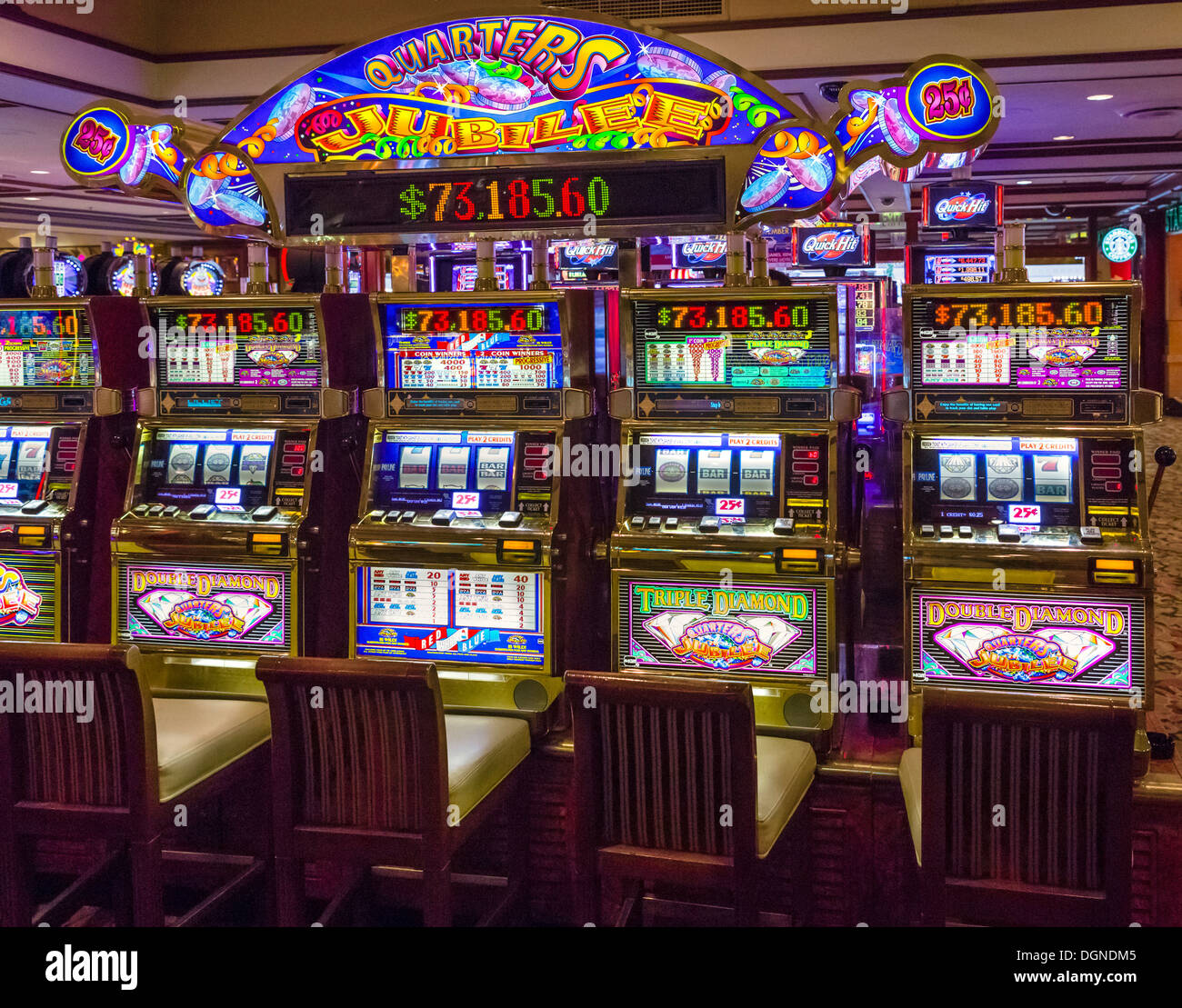
The core attraction of casino poker style games lies in the measurable effect of player choices on the house edge. In a standard slot, the outcome is fixed the microsecond the spin button is pressed, turning the player a mere spectator to an algorithm. Poker variants flip this dynamic entirely by introducing dilemmas where holding or discarding specific cards alters the probability landscape. A player examining an unsuited Ace-King against a dealer’s exposed Queen must assess pot odds, fold equity, and payout tables in real time. This mental challenge triggers a dopamine response entirely distinct from blind luck; it rewards competence. The analytical mind finds profound satisfaction in executing a mathematically perfect draw to a four-card flush, recognizing that the decision shaved basis points off the theoretical loss rate in ways pure gambling never could.
Evaluating Digital and Live Casino Poker Dealer Systems
The user interface layer connecting between player intention and card distribution carries enormous weight in forming the experiential reality of poker style games. Digital platforms offer an antiseptic efficiency where betting prompts, hold indicators, and payout animations transmit information with cold Germanic precision, eliminating ambiguous dealer interpretations. Meanwhile, live-streamed dealer tables close the atmospheric gap by reintroducing a human face shuffling physical cards, delivering signals that soothe the lizard brain’s skepticism of algorithmically generated randomness. Yet these live interfaces surrender the blistering speed that volume-oriented grinders expect, replicating the pacing constraints that led early adopters away from brick-and-mortar settings initially. The modern gambler at PiperSpin Casino navigates this spectrum intentionally, aligning their interface preference to their immediate psychological need, whether for sterile rapid-fire mathematics or socially warming human-paced ritual.
The enduring popularity of casino poker style games stems from their elegant balance of agency and structure, presenting strategic participation without the predatory social dynamics of competitive poker tables. Players receive genuine mathematical incentives to hone their decision-making, seeing their improved discernment convert directly into prolonged session longevity. The drawbacks, including the risk of autopilot error cascades, predatory side bet mathematics, and the low ultimate skill ceiling, demand respectful acknowledgment from anyone serious about preserving their recreational budget. Understanding these trade-offs converts a casual pastime into a calculated entertainment purchase where expectation management matches with probabilistic reality.