Why Gambling Entertainment Appeals to the Brain
Gambling entertainment, from slot machines to online casinos, taps into some of the most fundamental reward pathways in the human brain. The allure isn’t just about money; it’s about anticipation, uncertainty, and the thrill of not knowing what comes next. This psychological cocktail is what keeps players coming back, and understanding it is the first step toward responsible enjoyment.
At its core, gambling exploits the brain’s dopamine system. Dopamine is released not only when we win but also when we anticipate a possible reward. This means the mere act of placing a bet or spinning a reel can feel exciting, even before the outcome is known. Over time, the brain associates these actions with pleasure, creating a powerful habit loop.
Variable Rewards: The Slot Machine Effect
Psychologists have long studied why variable ratio reinforcement schedules—where rewards come after an unpredictable number of responses—are so compelling. Slot machines are the perfect example: you don’t know how many spins it will take to win, so you keep playing. This unpredictability is more motivating than a fixed reward schedule and is a key reason why gambling can become compulsive.
Online platforms amplify this effect with fast-paced gameplay, frequent near-misses, and small wins that keep hope alive. The near-miss—where two matching symbols land and the third just misses—activates the same brain regions as an actual win, encouraging continued play. It’s a subtle but powerful psychological hook.
The Role of Lights, Sounds, and Design
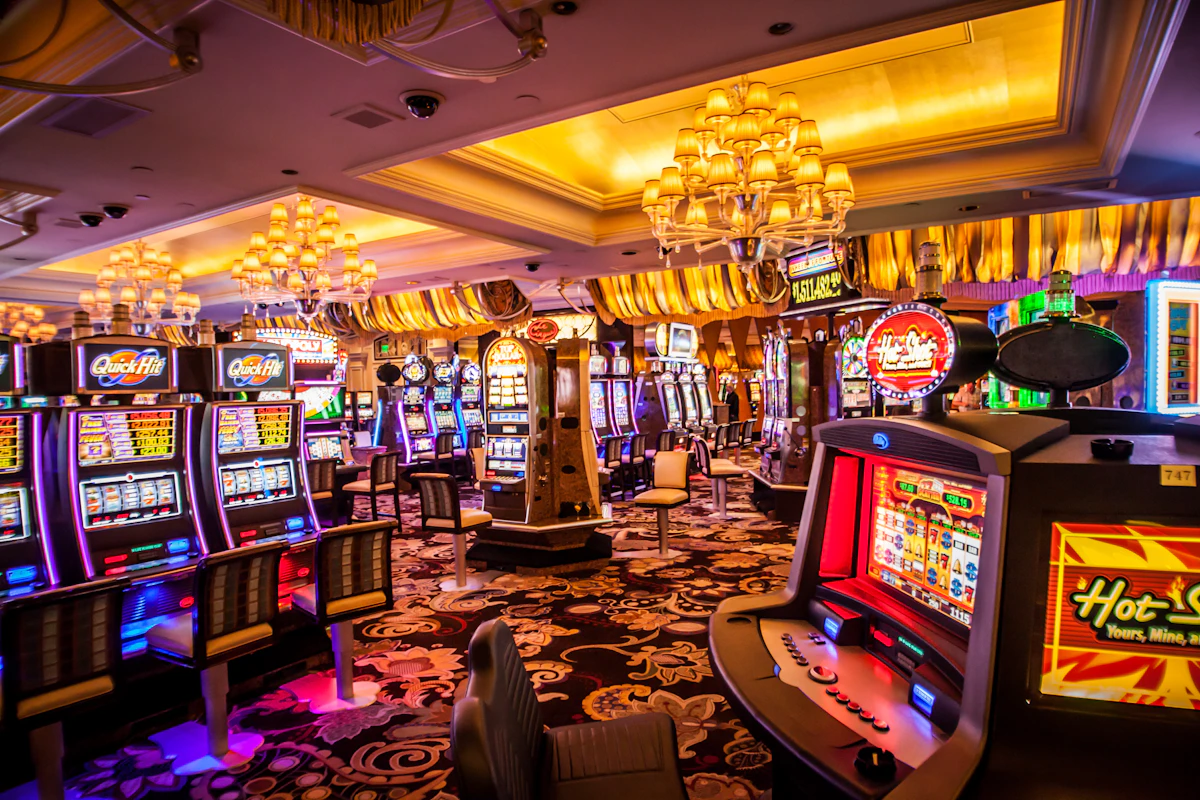
Casino environments are engineered to stimulate the senses. Bright, flashing lights, celebratory jingles, and immersive graphics are not accidental. They create a sense of excitement and mask the reality of the odds. Even online, the visual and auditory feedback is carefully calibrated to make wins feel bigger and losses feel smaller.
Colour psychology plays a part too: reds and golds are often used to evoke feelings of luck, wealth, and urgency. The layout of games, the speed of play, and the ease of depositing money all reduce friction, making it easier to keep going without pausing to reflect.
Lights, sounds and near-misses are all designed to keep players engaged, so understanding the psychology behind a hadesbet casino can help you stay in control.
The Illusion of Control and Cognitive Biases
Many players believe they can influence outcomes through skill, superstition, or ritual. This ‘illusion of control’ is common in games of chance. For example, some players think pulling a lever harder or choosing specific numbers will improve their odds. Cognitive biases like the gambler’s fallacy—believing a win is ‘due’ after a series of losses—can lead to chasing losses and escalating bets.
Another bias is the availability heuristic: we remember big wins more vividly than frequent small losses, which skews our perception of how often we actually win. Social proof also matters—seeing others win or hearing about jackpots can create a fear of missing out.
How to Keep Gambling Entertainment Safe
Understanding the psychology doesn’t mean you can’t enjoy gambling; it means you can do so with your eyes open. Here are practical steps to stay in control:
- Set a strict budget before you start and stick to it—never chase losses.
- Take regular breaks to reset your focus and avoid decision fatigue.
- Use time limits and deposit limits offered by reputable platforms.
- Remind yourself that outcomes are random; no strategy can guarantee a win.
- Avoid playing when you’re stressed, tired, or emotionally vulnerable.
- Seek support if gambling stops being fun or starts affecting your finances or relationships.
Gambling entertainment is designed to be immersive, but you can still enjoy it as a leisure activity rather than a compulsion. By recognising the tricks of the trade—variable rewards, sensory overload, and cognitive biases—you can make informed choices and keep the experience positive.
The Bottom Line
The psychology of gambling is a blend of neuroscience, behavioural conditioning, and clever design. It’s not about weakness; it’s about how our brains are wired. Armed with this knowledge, you can engage with gambling entertainment responsibly, knowing when to play and when to walk away.